The project that kept hearing "no"
How I fought legal, stakeholder inertia, and a system designed to be useless and cut a $4M call center bill in half.
Client:
Enterprise Product
Discipline:
Product Design
Skills:
UX/UI, Design Systems, Information Architecture, Systems Thinking, Research, Cross-Functional Collab, Microcopy
A portal built to impress, not work
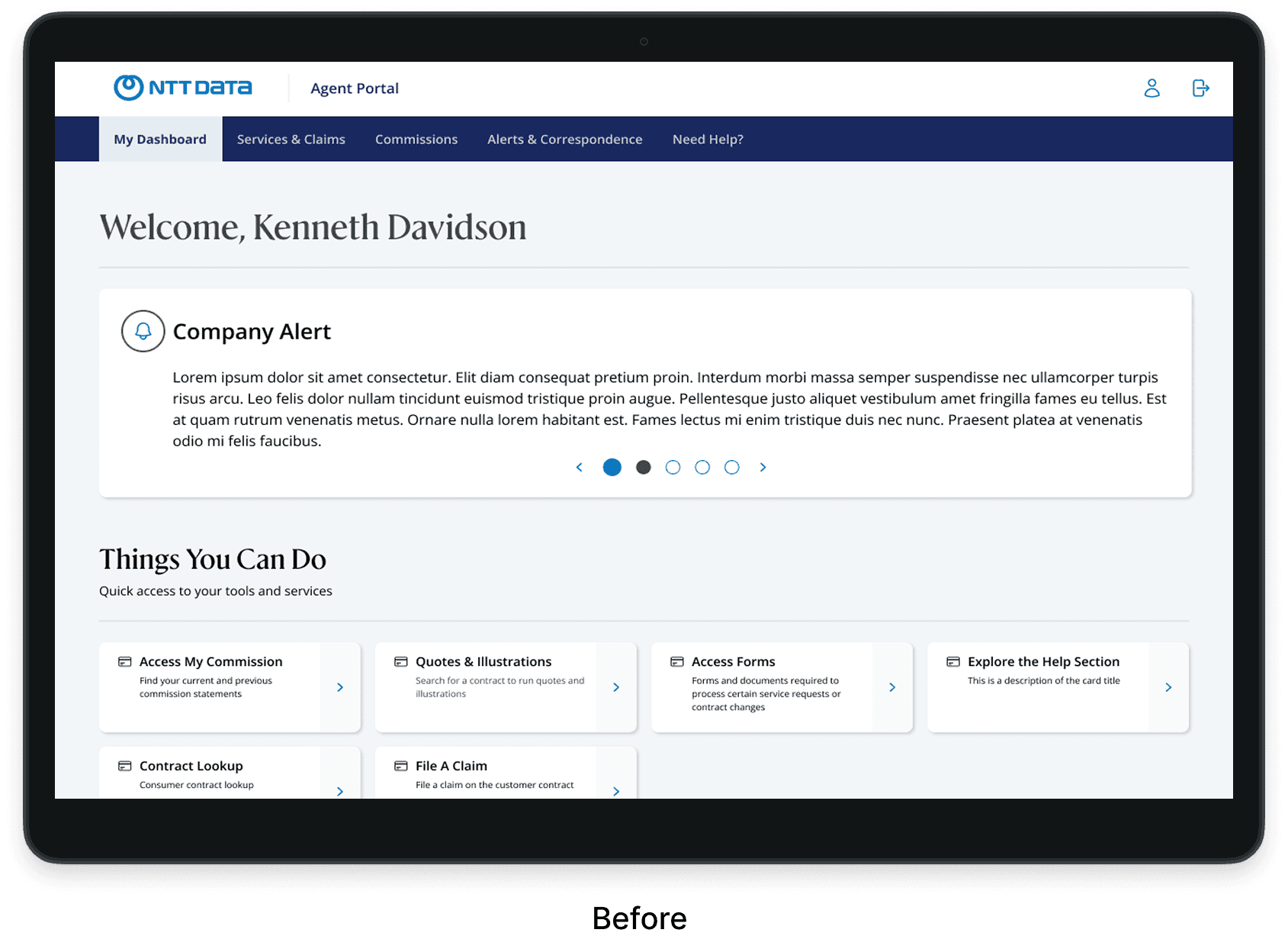
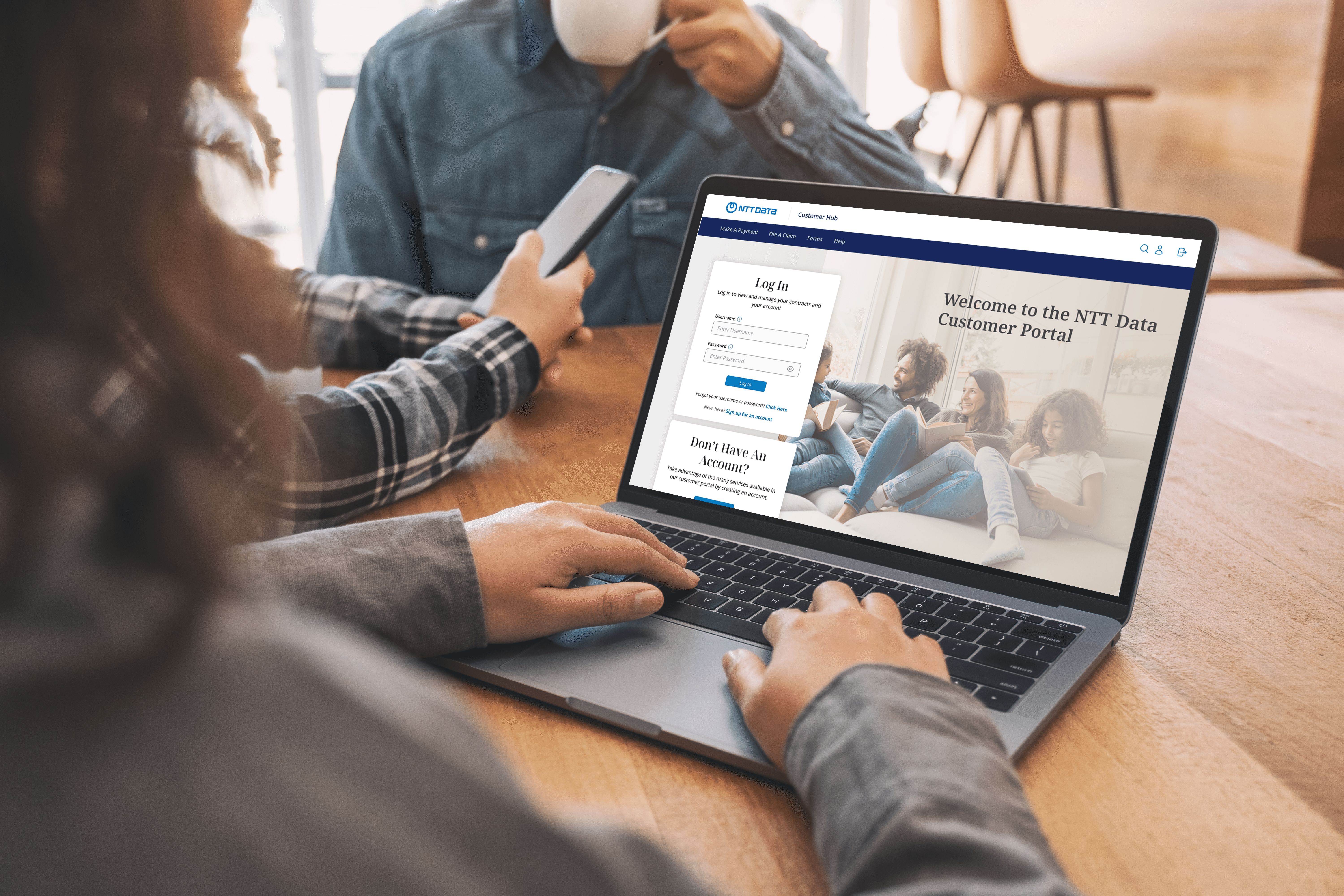
The White Label Portal was supposed to be Everlake's customer-facing insurance hub, a place where policyholders could manage payments, update beneficiaries, handle service requests, and feel in control of their coverage. On paper, it was a scalable, multi-brand platform. In practice, it was a website that told people to call a phone number.
The platform had launched under hard-coded constraints, one-off solutions for every carrier, and a legal posture that treated self-service like a liability. Every feature that could have made the portal genuinely useful had been walked back, restricted, or blocked. Competitors were offering recurring payments, debit card options, and self-managed policy updates. Everlake's portal offered a login screen and a FAQ page.
The nos were coming from inside the house
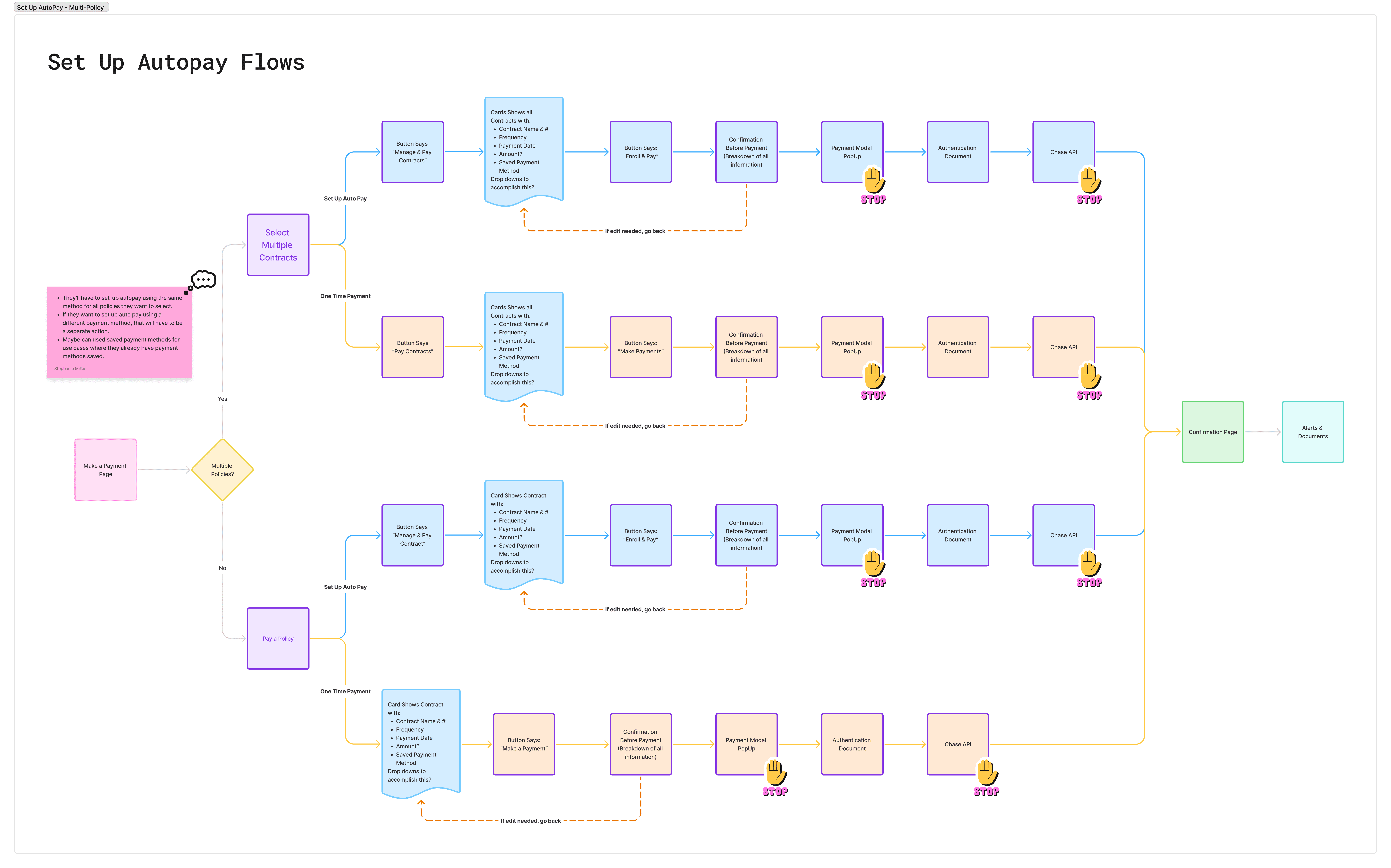
I picked the payments feature as the ground to hold. Not because it was the sexiest design challenge, but because the data was unambiguous: it was the single largest driver of inbound calls, and it was entirely solvable with better self-service tooling.
I pulled call center data to quantify the problem and built the case that this wasn't a design preference - it was a business problem with a design solution. Recurring payments using bank accounts or debit cards. The ability to switch payment methods without picking up a phone. Features that every competitor already offered, and that Everlake's users were actively calling in to ask for.
Legal pushed back. The contract between NTT DATA and Everlake had to be revisited before the feature could move forward - the existing terms weren't structured to support the kind of self-service flows I was proposing. What ultimately moved the needle wasn't design rationale. It was the business reality: NTT DATA was absorbing costs that weren't sustainable, and leadership had to force the issue at the contract level to make progress possible.
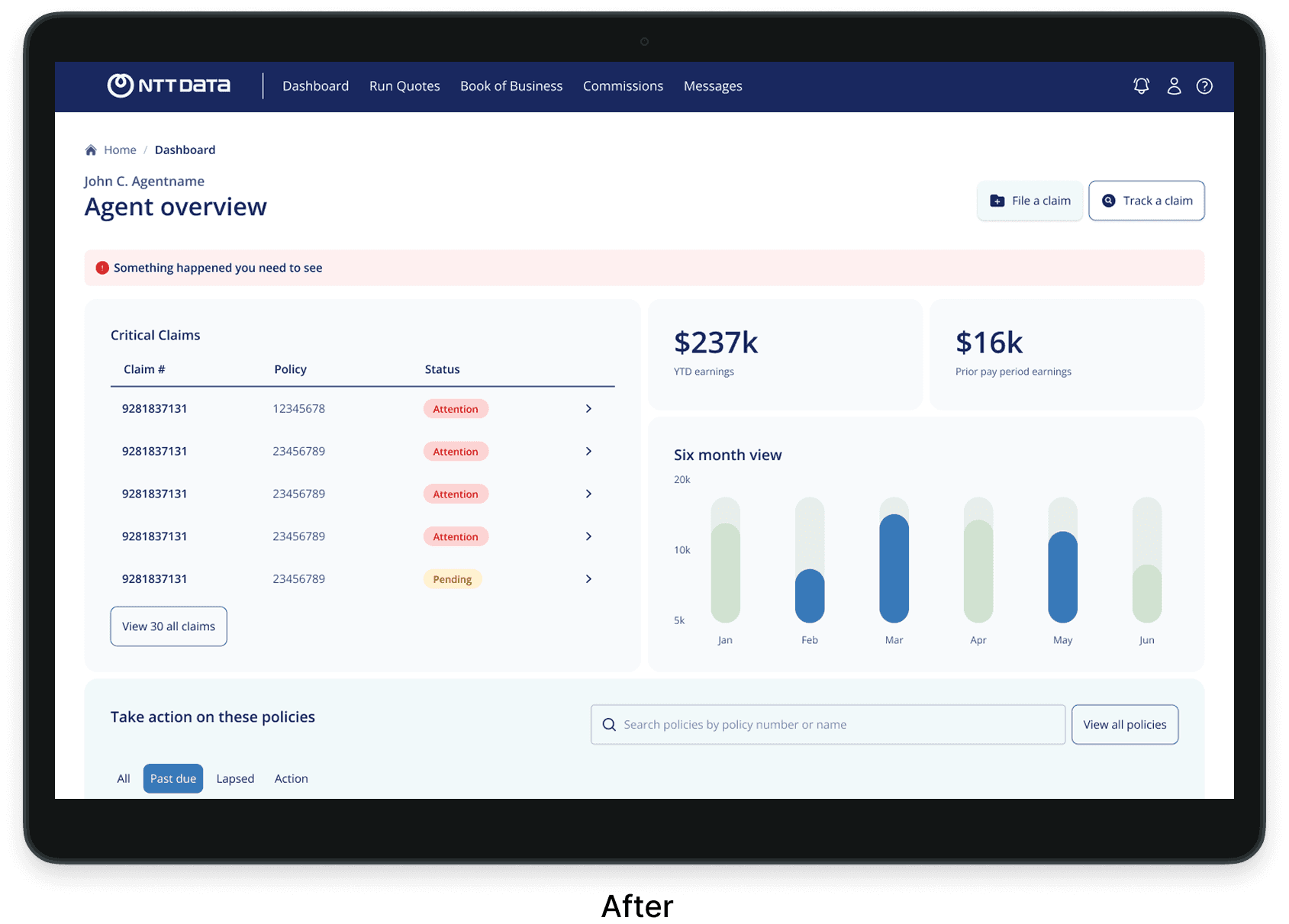
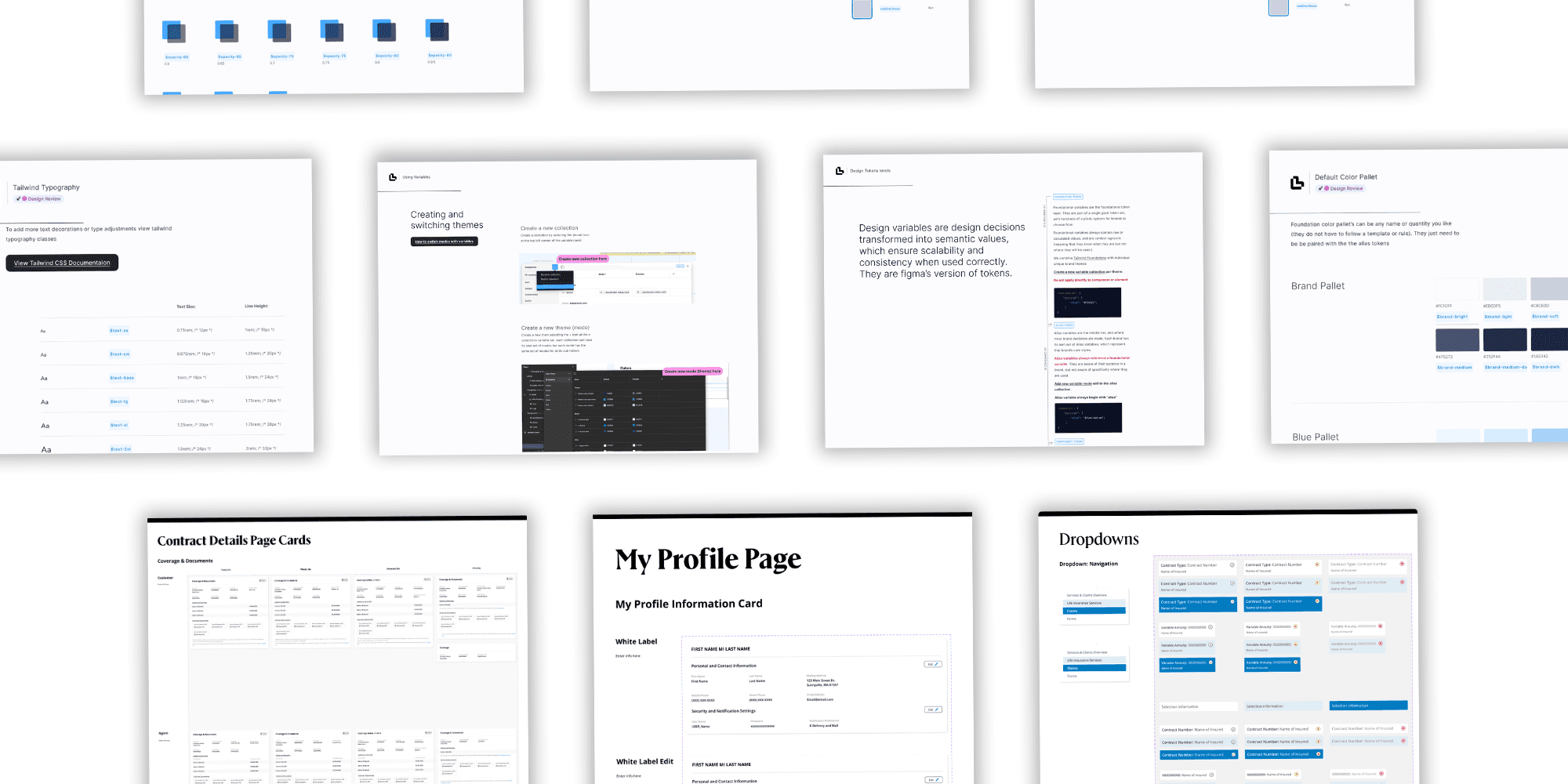
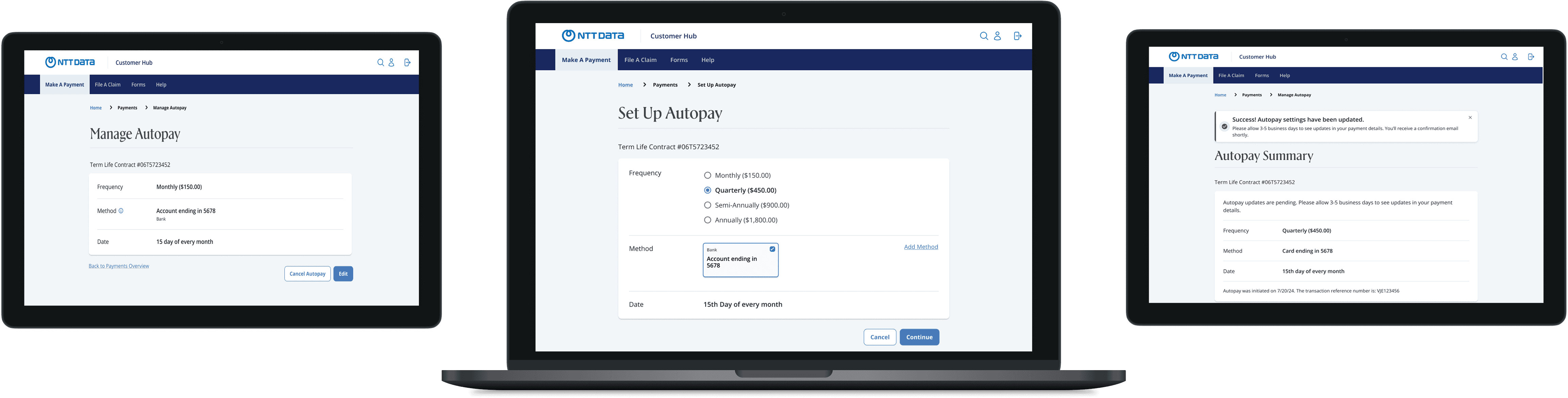
Legal eventually approved recurring payments for both bank accounts and debit cards. Payment frequency changes stayed blocked - a partial win, but a meaningful one. More importantly, the approval cracked open the door for the broader redesign: a unified, modular system that could be deployed across all brands without one-off patches for each carrier.
Impact
Half the calls. Half the cost.
The redesigned payment experience — recurring billing, debit card support, cleaner method switching - did what the data said it would. Call volume dropped significantly. The business impact was direct and measurable.
50%
Reduction in inbound call volume after payments launched
$2M
Saved annually — call center costs dropped from $4M to $2M